
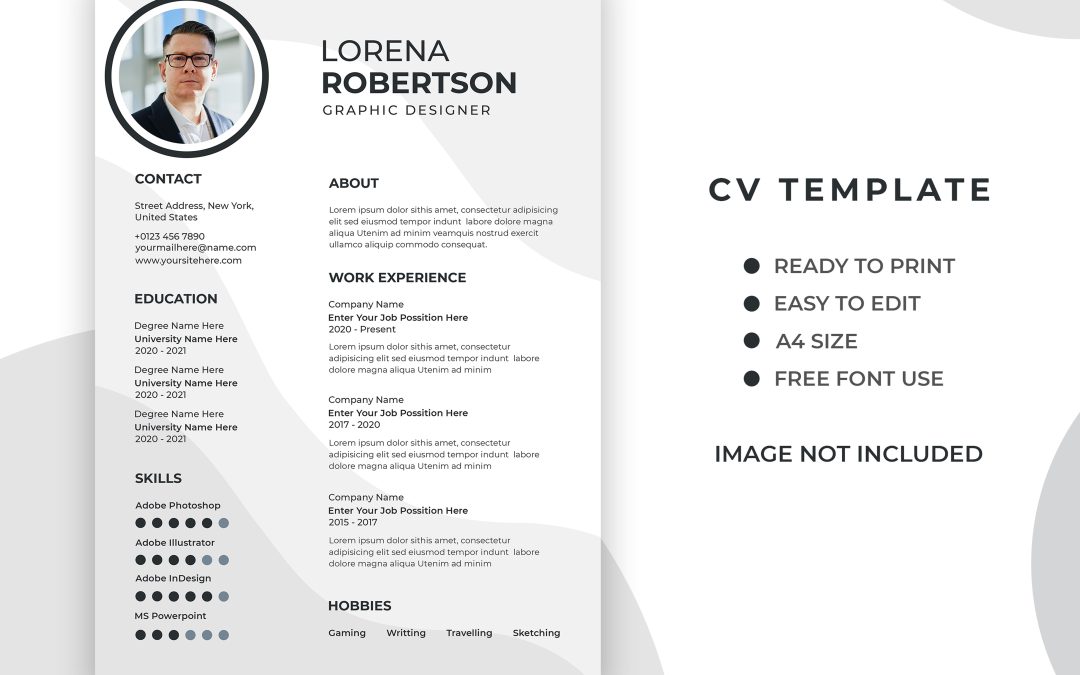
In today’s competitive job market, your resume is often your first and only chance to make a great impression on potential employers. A well-crafted resume can open doors to exciting opportunities, while a poorly written one can close them just as quickly. Whether you’re a recent graduate entering the workforce or an experienced professional seeking new challenges, here are some essential tips to ensure your resume stands out.
- Keep It Concise:
- Aim for a resume that is one or two pages long. Employers often have limited time to review each application, so clarity and brevity are key. Include only the most relevant information, and avoid unnecessary details.
- Use bullet points to break down your responsibilities and achievements, making them easier to read at a glance.
- Highlight Achievements:
- Focus on your accomplishments rather than just listing job duties. Use quantifiable results to demonstrate your impact, such as “Increased sales by 20% over six months” or “Managed a team of 10 and reduced project completion time by 15%.”
- Use action verbs like “led,” “developed,” “created,” and “improved” to convey your achievements dynamically.
- Tailor for Each Job:
- Customize your resume for each job application. Carefully read the job description and align your skills and experiences with the specific requirements. This shows employers that you are genuinely interested in the position and have the qualifications they are looking for.
- Include keywords from the job listing to help your resume pass through Applicant Tracking Systems (ATS), which many companies use to screen candidates.
- Use Keywords:
- Incorporate industry-specific keywords from the job description. This helps your resume get noticed by ATS and hiring managers. For example, if you’re applying for a marketing position, include terms like “SEO,” “content marketing,” and “campaign management.”
- Avoid overloading your resume with buzzwords. Use them naturally and contextually.
- Professional Formatting:
- Use a clean, professional format. Avoid using too many fonts or colors, and ensure there is ample white space. A well-organized resume is easier to read and looks more polished.
- Choose a legible font such as Arial, Calibri, or Times New Roman, and use a font size between 10 and 12 points.
- Proofread:
- Spelling and grammatical errors can make a bad impression. Proofread your resume multiple times and consider having someone else review it. Even a small mistake can make you seem careless to potential employers.
- Use tools like Grammarly or other grammar-checking software to catch errors you might miss.
- Include Relevant Sections:
-
- Ensure your resume includes key sections such as a professional summary, work experience, education, skills, and any relevant certifications or awards.
- For creative roles, consider adding a portfolio section with links to your work.
By following these tips, you’ll create a resume that effectively showcases your qualifications and makes a lasting impression on potential employers. Remember, your resume is your marketing tool – make sure it sells your skills and experience in the best possible light.